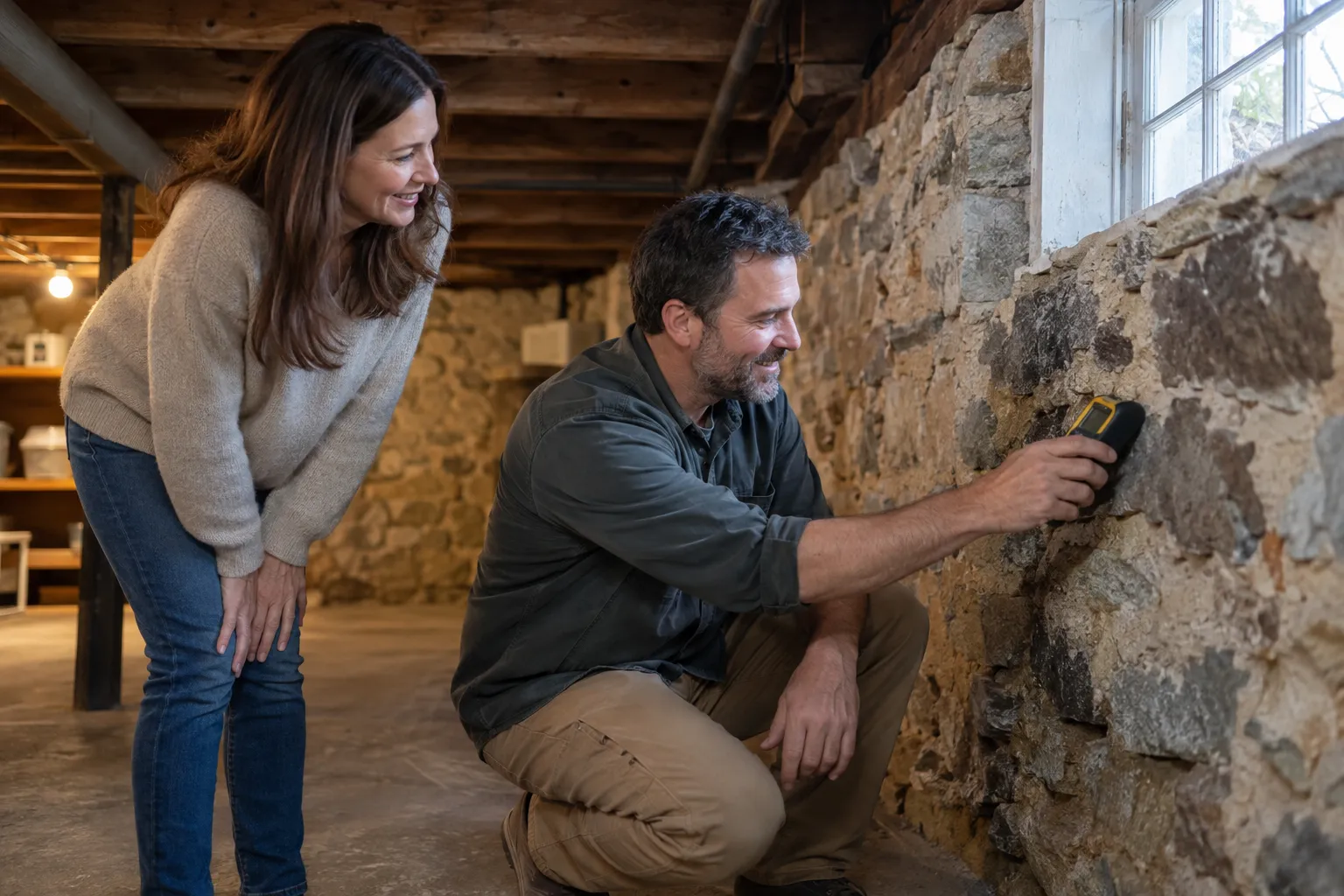
Mold Inspection and Testing in Alexandria, VA
A lot of people think a store-bought test kit settles the question. In practice, a single settling plate tells you very little. Mold is almost everywhere in the air. What matters is where it grows, how much there is, and why moisture is feeding it.
Veteranproduct Mold Help is a referral service. We connect homeowners in Alexandria and the Alexandria area with independent providers who inspect homes and take lab samples. Older houses get extra care here. Aging pipes, past repairs and hidden wall cavities can hide surprises. A good inspection finds the source of moisture, not just the spots you can see.
Think You Have Mold? Start Here
Breathe, then begin. A musty smell or a dark patch is worth checking, but it is rarely an emergency in the next ten minutes.
First, stop the water if you can. Shut off a leaking valve or move items away from a wet wall. Then run a fan and open a window if the weather allows.
Request a callback to check provider availability in your area. Many providers can respond quickly when moisture is active.
Myth: "If I Can't See It, It Isn't There"
Mold likes dark, damp places. That means behind paneling, under old flooring and inside wall cavities. In practice, the smell often shows up before the stain does.
An inspector uses tools to look where your eyes cannot. That is the whole point of the visit.
When an Inspection Makes Sense
Book one if you notice any of these:
- A musty odor that returns after cleaning
- A recent leak, flood or roof problem
- Peeling paint, bubbling plaster or warped trim
- Allergy-like symptoms that ease when you leave home
- A home sale where you want a clear picture
Older Home, Hidden Surprises
Colonials, split-levels and rowhouses often have decades of layered repairs. Cast-iron and galvanized pipes can corrode and weep slowly inside walls. Old basements can wick groundwater through the foundation.
A provider who knows older homes will check these weak spots first. They also look for past patch jobs that covered a problem instead of fixing it.
What Happens During a Mold Inspection
The visit usually follows a simple path. The provider talks with you about the history of the home. Then they walk the property, inside and out.
The visual check
They look at ceilings, corners, crawl spaces, attics and the basement. They note stains, rot and signs of past water.
Moisture readings
A moisture meter shows damp spots behind a clean-looking wall. A thermal camera can spot cool, wet areas without cutting anything open.
Types of Mold Testing
A lot of people think testing is one single thing. It is not. Providers pick the method that fits your questions.
- Air samples: compare indoor air with outdoor air
- Surface samples: tape or swab a suspect spot to name the mold type
- Bulk samples: a small piece of material sent to a lab
- Moisture mapping: not a lab test, but often the most useful clue
Ask for certified mold testing through an accredited lab. That keeps the results credible.
Understanding Your Results
The lab report lists mold types and spore counts. Numbers alone can confuse. A good provider explains what they mean for your home.
Myth versus reality: there is no perfect "safe number." Results are compared with outdoor air and with what is normal for your area. The report should also point to the moisture source.
Inspection and Remediation: Separate or Together?
Many homeowners worry about a conflict of interest when one company inspects and cleans up. Some prefer two different providers for that reason. Others like a single contact.
Both paths work. Just ask how the provider handles it, and get the scope in writing.
How to Prepare for Your Inspection
- Note where you smell or see anything odd
- Gather records of past leaks or repairs
- Clear access to the attic, basement and utility areas
- Keep windows closed for a few hours before air sampling, if asked
- Write down when symptoms start and ease
Questions to Ask the Provider
- What training and lab partners do you use?
- Will you test, or only look?
- How do you handle older plumbing and walls?
- Will I get a written report with photos?
- What does the quote include?
Some policies may cover sudden damage, so check your policy. Providers can often help document damage for a claim.
Ready for Answers?
Request a callback to talk through your situation, or request an estimate for a local inspection.
What's Included
Visual Walkthrough
A provider checks the attic, basement, crawl space and walls for stains, rot and signs of old leaks.
Moisture and Thermal Readings
Meters and cameras find damp areas hidden behind paint, paneling or old patched surfaces.
Air and Surface Sampling
Samples go to a lab to name the mold type and compare it with outdoor air.
Written Report
You get findings, photos and plain next steps, so you know whether cleanup is needed.
Typical Mold Inspection and Testing Costs
Prices vary by home size, age, and how many samples are needed. These are typical U.S. ranges, not quotes. Always ask for a written quote that lists what is included.
| Item | Typical range | Notes |
|---|---|---|
| Visual inspection only | $200 – $500 | Smaller homes cost less |
| Full inspection with moisture readings | $300 – $700 | Common for older houses |
| Air sample (each) | $50 – $150 | Outdoor comparison sample often needed |
| Surface or tape sample (each) | $40 – $100 | Names the mold type |
| Lab fees | $40 – $150 | Depends on rush and test type |
| Thermal imaging add-on | $100 – $300 | Helps find hidden moisture |
How It Works
Pause and Protect
Stop any active leak, ventilate if you can, and avoid disturbing the suspect area.
Reach Out
Request a callback or use the form to be matched with a local provider.
Inspection and Sampling
The provider inspects, takes moisture readings and collects samples as needed.
Review Results and Next Steps
Go over the lab report, ask questions and decide on the next move.
Why Call Veteranproduct Mold Help
Older Homes
Providers in our network are asked about aging pipes, past repairs and hidden spots that older houses often hide.
Independent Providers
Each provider is a separate local business that sets its own scope and pricing.
Plain Guidance
We explain myths and next steps in simple words, so you can decide calmly.
No Obligation
Requesting an estimate does not commit you to hiring anyone.
Other Services
Need mold inspection and testing in Alexandria?
Found something that looks like mold? Send a request through the form or email contact@veteranproduct.garden, and a local provider in our network can follow up.
Mold Inspection and Testing FAQ
Do I need mold testing if I already see mold?
Not always. If mold is visible, testing may add little. An inspection can still help find the moisture source and how far the growth spreads, especially in older homes where walls and floors may hide more.
Can I just use a home mold test kit?
Kits can show mold exists, but mold is normal in air. They rarely show where it is, how much, or why. A provider's inspection gives far more useful answers.
How long does a mold inspection take?
Most visits take one to three hours, depending on home size and age. Lab results often arrive within several days. Ask your provider for their usual timeline, since it varies by lab and season.
Reach a local provider
Found something that looks like mold? Send a request through the form or email contact@veteranproduct.garden, and a local provider in our network can follow up.
No obligation